
What Is Vitamin D Deficiency and Why Does It Matter?
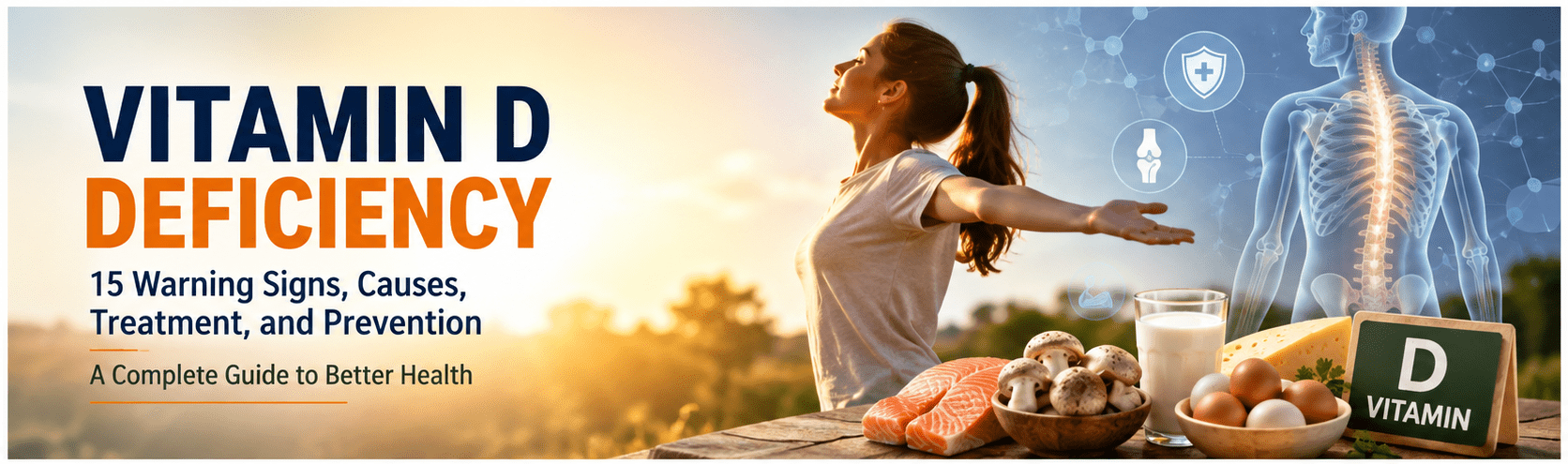
Often referred to as the “sunshine vitamin,” Vitamin D is an essential nutrient that plays a massive role in overall health. Unlike other vitamins, your body actually manufactures Vitamin D when your skin is exposed to sunlight. Despite how easy it should be to get, Vitamin D Deficiency has become a silent epidemic worldwide, affecting millions of people regardless of age, geography, or lifestyle.
Failing to maintain optimal levels can wreak havoc on your body, influencing everything from your bone density to your mental health. Recognizing the signs early can save you from chronic health complications down the line.
What is Vitamin D and Why Do We Need It?

Vitamin D is a fat-soluble vitamin that functions more like a hormone in the body. Every single cell has receptors for it. Its primary job is to help the body absorb calcium and phosphorus, which are critical for building and maintaining strong bones. Beyond skeletal health, Vitamin D Deficiency impacts immune function, mood regulation, muscle performance, and inflammation control.
When your body lacks this vital nutrient, systems across the board begin to malfunction, triggering a wide array of physical and psychological warning signals.
Heat Wave Alert: 7 Dangerous Signs Your Body Is Overheating in Bangladesh’s Extreme Summer
15 Warning Signs of Vitamin D Deficiency

Because Vitamin D receptors are distributed throughout the body, the symptoms of a Vitamin D Deficiency can be diverse and subtle. Here are 15 warning signs you should never ignore:
GLP-1 Weight Loss Drugs: Benefits, Side Effects & What You Need to Know in 2026
1. Frequent Sickness or Infections
Vitamin D is crucial for supporting your immune system, helping your body fight off invading viruses and bacteria. If you find yourself constantly catching colds, the flu, or respiratory infections, a Vitamin D Deficiency might be the underlying culprit.
2. Fatigue and Exhaustion
Feeling tired all the time can be frustrating, especially if you are getting enough sleep. Severe exhaustion and low energy levels are classic indicators of Vitamin D Deficiency, often drastically improving once levels are restored.
3. Bone and Lower Back Pain
Vitamin D helps maintain adequate calcium in the blood. People suffering from a Vitamin D Deficiency often experience dull, aching bone pain and lower back discomfort, particularly in the joints and spine.
4. Depression and Mood Changes
The sunshine vitamin has a profound impact on mental health. Low levels are frequently linked to depression, seasonal affective disorder (SAD), and general feelings of anxiety or low mood due to its interaction with neurotransmitters in the brain.
5. Impaired Wound Healing
If your cuts, scrapes, or surgical incisions take an unusually long time to heal, it could point toward a Vitamin D Deficiency. Research shows that the vitamin increases the production of compounds crucial for forming new skin tissue.
6. Bone Loss and Osteoporosis
Because Vitamin D is essential for calcium absorption, a prolonged Vitamin D Deficiency leads to lower bone mineral density. This increases the risk of fractures, breaks, and conditions like osteopenia and osteoporosis in older adults.
7. Muscle Pain and Weakness
It is easy to confuse muscle aches with overexertion, but a chronic Vitamin D Deficiency directly affects muscle fibers, leading to generalized weakness, soreness, and an increased risk of falls.
8. Hair Loss
While hair shedding can be caused by many factors, severe hair loss—particularly conditions like alopecia areata—has a strong correlation with a Vitamin D Deficiency in both men and women.
9. Weight Gain
Low levels of Vitamin D are frequently observed in individuals struggling with obesity. Because the vitamin is fat-soluble, it gets trapped in fat tissues, making it harder for the body to utilize, thereby worsening a Vitamin D Deficiency.
High Blood Sugar Symptoms: 10 Early Signs of Diabetes Risk
10. Chronic Stress and Anxiety
Anxiety disorders and elevated stress levels often go hand-in-hand with inadequate nutrient intake. Correcting a Vitamin D Deficiency has been shown in some studies to help calm the nervous system.
11. Gut Issues
Digestive disorders like Crohn’s disease, celiac disease, and inflammatory bowel disease (IBD) affect your gut’s ability to absorb fat. This malabsorption frequently triggers a secondary Vitamin D Deficiency.
12. Excessive Sweating
One of the earliest, albeit lesser-known, signs of a Vitamin D Deficiency is excessive sweating, particularly on the forehead or scalp, even when resting in a cool environment.
13. Erectile Dysfunction
Emerging medical research suggests that blood vessel health relies heavily on adequate nutrient levels. A systemic Vitamin D Deficiency can impair endothelial function, contributing to cardiovascular issues and erectile dysfunction.
14. Brain Fog and Cognitive Decline
Difficulty concentrating, memory lapses, and a general feeling of mental cloudiness can stem from a prolonged Vitamin D Deficiency, as brain cells require the nutrient for optimal neurological health.
15. Sleep Disturbances
Trouble falling asleep or staying asleep has been linked to low levels of this vitamin. Reversing a Vitamin D Deficiency can often help normalize circadian rhythms and improve overall sleep quality.
Primary Causes of Vitamin D Deficiency

Understanding why your levels drop is the first step toward correcting the issue. The most common causes include:
Limited Sun Exposure:
Since the body synthesizes the vitamin via ultraviolet B (UVB) rays, staying indoors, wearing heavy clothing, or living in northern latitudes drastically increases the risk of a Vitamin D Deficiency.
Dark Skin Pigmentation:
Melanin acts as a natural sunscreen. People with darker skin tones require significantly more sun exposure to produce the same amount of the vitamin as those with lighter skin, making them prone to a Vitamin D Deficiency.
Ageing Skin:
As people age, the skin’s ability to synthesize the vitamin from sunlight declines sharply.
Sunscreen Usage:
Wearing high-SPF sunscreens protects against skin damage and cancer, but it also blocks the UVB rays necessary to prevent a Vitamin D Deficiency.
Kidney and Liver Issues:
These organs convert raw Vitamin D into its active, usable form. Chronic disease in either organ can cause a persistent Vitamin D Deficiency.
Diagnosis and Treatment Options

If you suspect you have low levels, a simple 25-hydroxyvitamin D blood test ordered by your physician can confirm a Vitamin D Deficiency. Optimal blood levels generally fall between 30 ng/mL and 50 ng/mL.
Gangrene: 5 Critical Warning Signs You Must Never Ignore
Once diagnosed, treatment is typically straightforward:
Dietary Supplements:
Depending on the severity of your Vitamin D Deficiency, your doctor may recommend high-dose prescription supplements (Vitamin D2 or D3) followed by a daily maintenance dose.
Nutrient Synergy:
Taking your supplement alongside healthy fats (like avocado or olive oil) and adequate magnesium and Vitamin K2 ensures optimal absorption and utilization, safely resolving a Vitamin D Deficiency.
Effective Prevention Strategies

Preventing future drops in your blood levels requires making conscious lifestyle adjustments. To keep a Vitamin D Deficiency at bay, incorporate these habits into your daily routine:
Safe Sun Exposure:
Spend 15 to 20 minutes outdoors in the midday sun a few times a week without sunscreen, exposing your arms and legs.
Why You Feel Weak in Hot Weather – The Hidden Science Behind It
Eat Vitamin-Rich Foods:
Incorporate fatty fish (salmon, mackerel, sardines), egg yolks, beef liver, and fortified foods like dairy or plant-based milks into your diet to manage a Vitamin D Deficiency.
Regular Monitoring:
Get your blood levels checked annually during routine physical exams, especially if you fall into a high-risk category.
Conclusion
Your overall health relies heavily on maintaining a delicate balance of essential micronutrients. Ignoring the early warning signs can lead to severe long-term complications. By prioritizing safe sun exposure, eating a nutrient-dense diet, and supplementing when necessary, you can easily overcome and prevent a Vitamin D Deficiency, paving the way for vibrant, long-lasting health and vitality.
Instagram Twitter Facebook LinkedIn Quora Google News
Our Other Engagements: