Feeling Weak in Hot Weather? Here’s What Your Body Is Trying to Tell You
Introduction
In hot climates, many people feel unusually weak, tired, and dizzy even without doing heavy work. This is not just in your mind; your body reacts strongly to climate changes, especially extreme heat. Sudden changes in climate can disturb your body’s natural balance and reduce energy levels.
When the climate becomes too hot, your body starts working harder just to keep you cool. This extra effort slowly drains your strength and makes you feel exhausted even during simple daily activities.
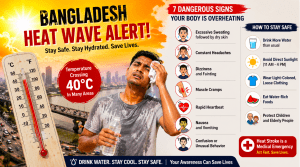
Heat Wave Alert: 7 Dangerous Signs Your Body Is Overheating in Bangladesh’s Extreme Summer
Why Hot Weather Makes You Feel Weak

Your Body Is Fighting the Heat
When the weather becomes hot, your body tries to maintain a stable internal temperature. In extreme climates, your brain sends signals to increase sweating and blood flow to the skin. This process uses a lot of energy, and in severe climates, your body gets tired faster than normal.
Energy Gets Used for Cooling Instead of Strength
In hot weather, your body prioritizes cooling over muscle power. Because of this, you feel less energetic even if you are not doing physical work. Long exposure to hot climates reduces stamina and makes everyday tasks feel harder.
Brain Performance Also Drops
Hot climates can also affect your brain. During extreme climates, blood flow shifts toward the skin instead of the brain. This leads to poor concentration, slow thinking, and mental fatigue.
Dehydration: The Main Reason Behind Weakness

Losing Water Too Fast
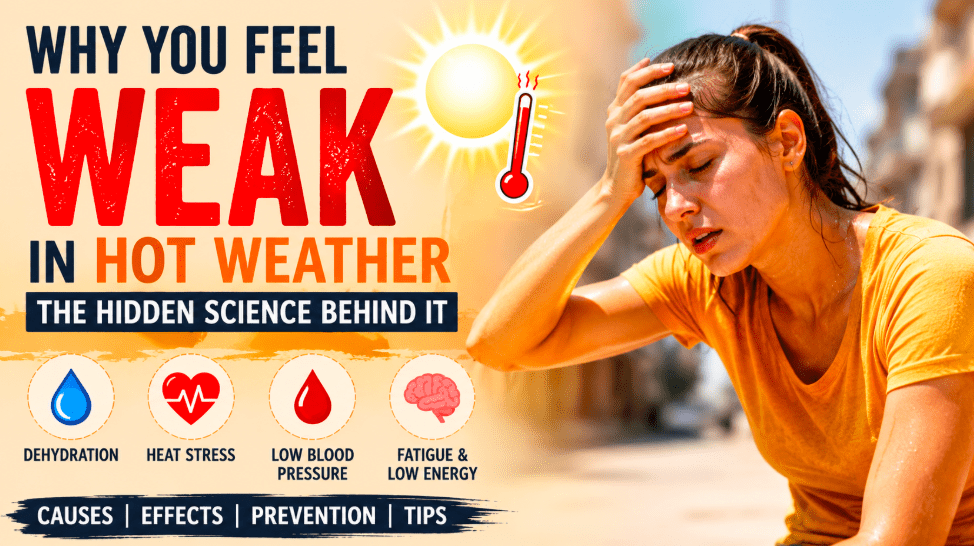
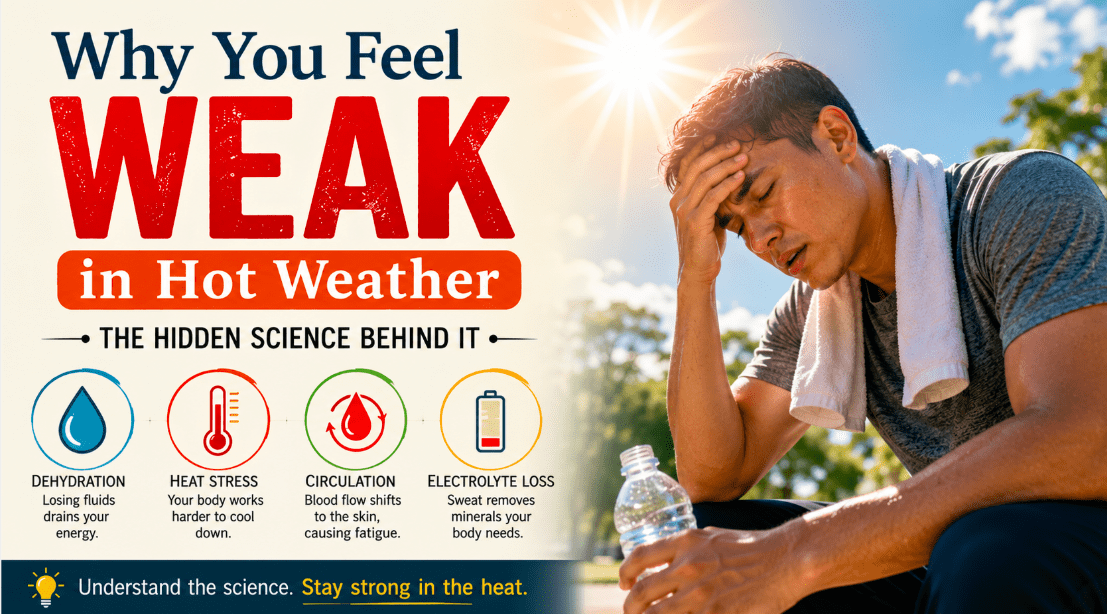
In hot climates, you sweat more than usual. If the weather stays hot for a long time, your body loses a large amount of water quickly. This is why dehydration happens easily during extreme climate conditions.
Less Water Means Less Energy
When climates causes dehydration, your blood volume decreases. In hot climates, this makes it harder for oxygen and nutrients to reach your muscles. As a result, your body feels weak and tired even after small activities.
High Blood Sugar Symptoms: 10 Early Signs of Diabetes Risk
Electrolyte Loss Makes It Worse
Heavy sweating in hot climates removes essential minerals like sodium and potassium. Without balance, weather stress leads to headaches, cramps, and fatigue. This is one of the most common effects of extreme weather in tropical countries.
Heat Stress and Body Exhaustion

Overworking the Heart
In hot climates, your heart works harder to pump blood to the skin. This extra effort during extreme climates can make you feel dizzy or faint. Prolonged exposure to climates heat increases the risk of heat exhaustion.
Lower Blood Pressure Problems
During hot climates, blood vessels expand to release heat. This drop in pressure during intense weather can make you feel weak. Many people feel sleepy or slow during peak climate hours.
Risk of Heat Stroke
Extreme climate can sometimes lead to heat stroke, which is dangerous. If the climate is too hot and you don’t cool down, your body temperature rises rapidly. This is a medical emergency caused by uncontrolled climate exposure.
Silent Killer in Your Daily Life: 7 vitamin D deficiency symptoms
Humidity Makes Hot Climates Worse

Sweat Doesn’t Evaporate Properly
In humid weather, sweat does not dry easily. This makes hot climates feel even more intense and uncomfortable. Your body struggles more in humid weather compared to the dry heat.
Sticky Climate Increases Fatigue
High humidity reduces natural cooling. Because of this climate’s effect, you feel sticky, tired, and drained. Many people underestimate how much humid weather affects energy levels.
Breathing Becomes Harder
In very humid climates, oxygen intake feels slightly more difficult. This kind of climate can reduce stamina, especially during walking or working outdoors. People often feel tired faster in such climate conditions.
Benefits of Honey: 13 Science-Backed Reasons to Use Nature’s Golden Superfood
How to Stay Strong in Hot

Drink Enough Water Regularly
In the hot climate, drinking water regularly is very important. Do not wait for thirst during extreme climates because dehydration may already start. Proper hydration helps your body handle climate stress more efficiently.
Eat Water-Rich Foods
Fruits like watermelon and cucumber help during hot climates. These foods reduce the effects of extreme weather on your body. A good diet helps balance energy loss in hot climate conditions.
Avoid Direct Sunlight
Try to avoid peak heat between 11 AM and 4 PM. During a harsh climate, staying in the shade reduces fatigue. This simple habit protects your body from extreme climate stress.
Wear Light Clothing
Light and breathable clothes help your body adapt to hot climates. In extreme weather, tight clothing increases body temperature. Proper clothing helps reduce discomfort during intense weather.
Everything You Should Know Before Getting Dental Implants
Warning Signs You Should Not Ignore
Constant Fatigue
If climate heat makes you tired all the time, take it seriously. Persistent weakness in hot weather can be a sign of dehydration. Do not ignore how the climate affects your daily energy.
Dizziness and Headache
During extreme weather, dizziness is a common warning sign. If climate exposure causes headaches, your body may be overheating. This is often caused by prolonged climate stress.
Excessive Sweating
Too much sweating in hot climates can drain your body quickly. If weather conditions continue like this, you may lose essential minerals. This imbalance caused by climates can lead to weakness.
Conclusion
Hot weather affects your body more deeply than most people realize. From dehydration to heat stress, climate plays a major role in your energy levels. Understanding how climate impacts your body helps you prevent weakness early. By managing hydration, rest, and exposure to weather, you can stay active even in extreme weather conditions.
Instagram Twitter Facebook LinkedIn Quora Google News
Our Other Engagements: