GLP-1 Weight Loss Drugs: Benefits, Side Effects & What You Need to Know in 2026
GLP-1 weight loss drugs have transformed the conversation around obesity and weight management. But are these medications right for everyone? Learn how they work, what benefits they may offer, their potential side effects, and what you should know before considering treatment.
For years, losing significant weight and keeping it off has been a major challenge for millions of people. Now, a group of prescription medications known as GLP-1 drugs has become one of the most talked-about developments in modern weight management.
Medications containing semaglutide and tirzepatide have attracted enormous attention because they can reduce appetite, improve blood sugar control, and help many eligible patients achieve substantial weight loss when combined with lifestyle changes.
The conversation is continuing to evolve in 2026. The U.S. Food and Drug Administration (FDA) approved a higher-dose version of Wegovy, known as Wegovy HD, in March 2026 for certain adults with obesity or overweight and a weight-related condition. The FDA also reported in January 2026 that its review did not identify an increased risk of suicidal thoughts or behavior associated with GLP-1 receptor agonist medications.
But these medications are not a magic solution—and they are not suitable for everyone.
Here is what you need to know.
What Are GLP-1 Weight Loss Drugs?
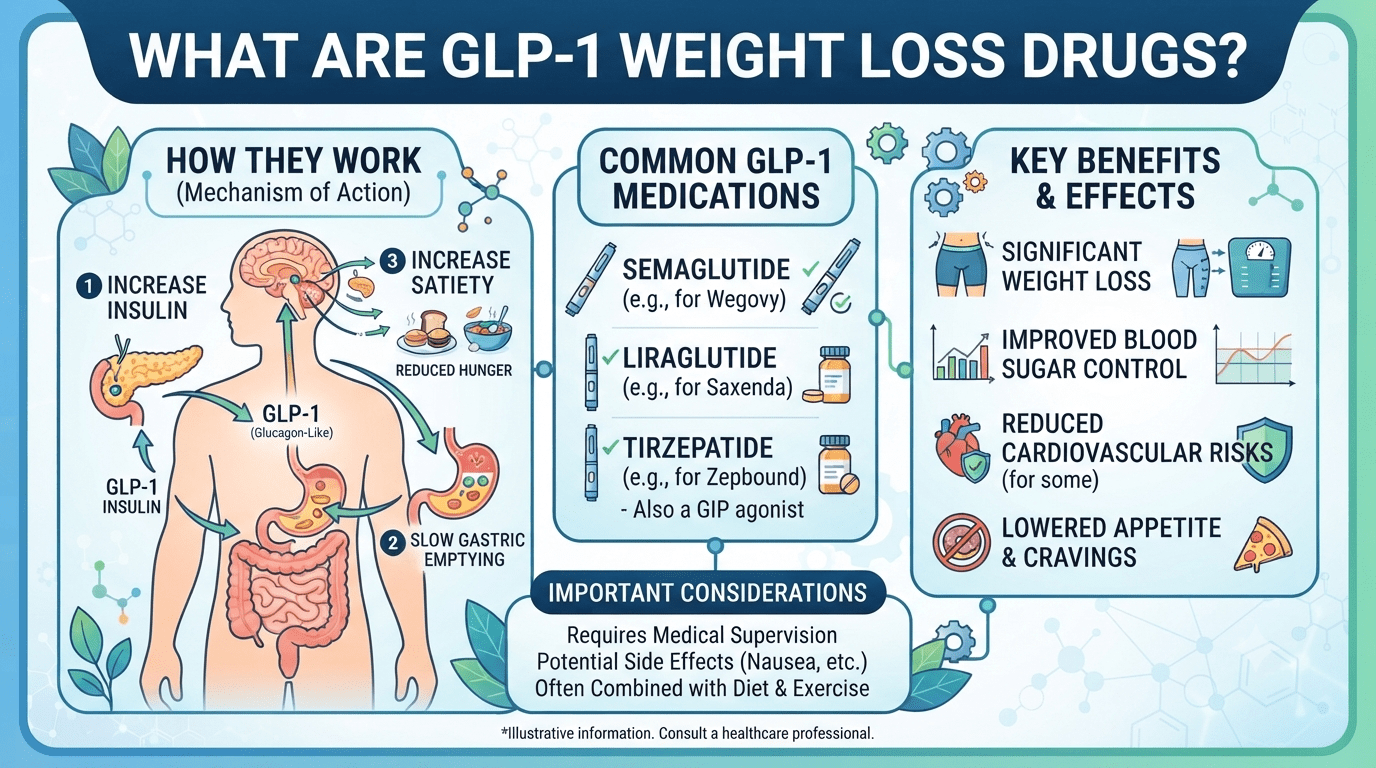
GLP-1 stands for glucagon-like peptide-1, a hormone naturally produced in the body that plays an important role in regulating blood sugar and appetite.
GLP-1 receptor agonist medications mimic some of the effects of this hormone. Depending on the specific medication, they can:
- Reduce appetite
- Increase feelings of fullness
- Slow the movement of food through the stomach
- Help regulate blood glucose
- Reduce food intake
- Support weight loss when combined with an appropriate diet and physical activity
Some newer medications work on more than one hormone pathway. For example, tirzepatide activates both GIP and GLP-1 receptors, which may contribute to its effects on blood sugar and body weight.
These medications were initially developed primarily for diabetes management, but some have also been approved for chronic weight management in eligible patients.
Which GLP-1 Drugs Are Used for Weight Management?
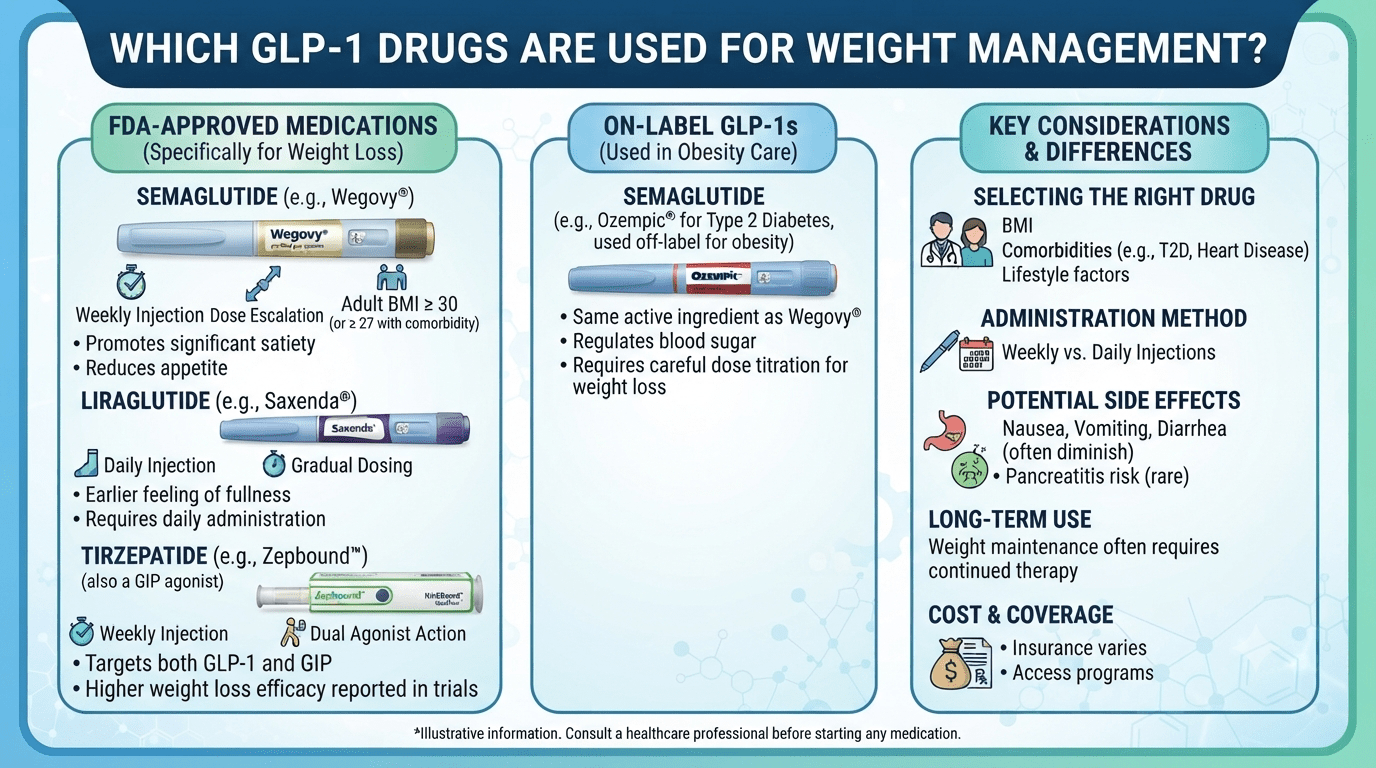
Several medications in this broader class are associated with diabetes and/or weight management.
Semaglutide
Semaglutide is the active ingredient in medications including Wegovy and Ozempic. Wegovy is specifically approved in the United States for chronic weight management in certain eligible patients.
In March 2026, the FDA approved Wegovy HD, a higher-dose 7.2 mg version of semaglutide, for weight loss and long-term maintenance of weight loss in certain adults with obesity or overweight accompanied by at least one weight-related health condition. The FDA reported that the most common adverse reactions were gastrointestinal, including nausea, vomiting, diarrhoea, constipation and abdominal pain.
Tirzepatide
Tirzepatide is the active ingredient in Zepbound, which is approved in the United States for chronic weight management in eligible adults. It is also marketed as Mounjaro for type 2 diabetes.
Tirzepatide acts on both GIP and GLP-1 receptors. The FDA approved Zepbound for chronic weight management in adults with obesity or adults who are overweight and have at least one weight-related health condition, alongside a reduced-calorie diet and increased physical activity.
Liraglutide
Liraglutide is another GLP-1 receptor agonist used in weight management under the brand name Saxenda in the United States.
Unlike some newer medications, liraglutide is administered daily rather than weekly.
Gangrene: 5 Critical Warning Signs You Must Never Ignore
How Do GLP-1 Drugs Help You Lose Weight?
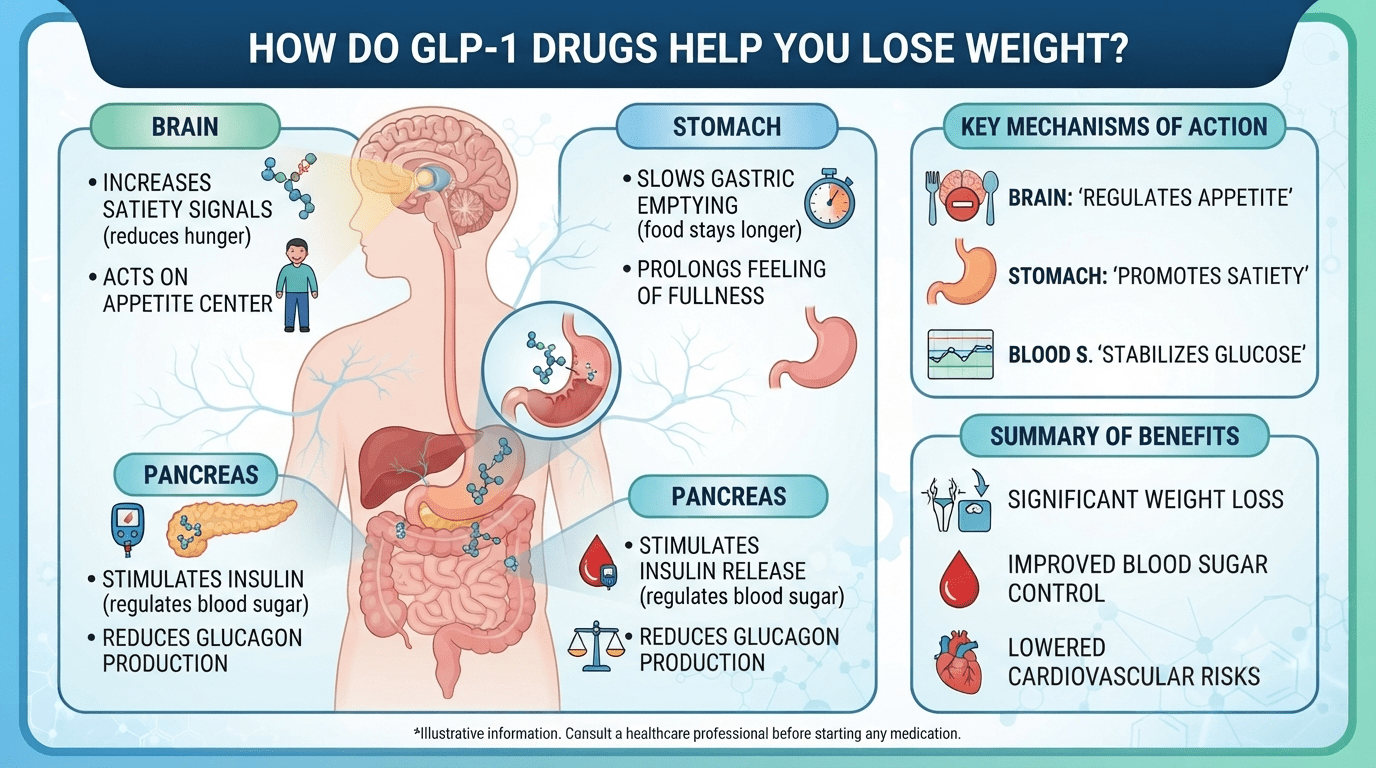
GLP-1 medications can influence several biological processes related to appetite and eating behavior.
1. They Can Reduce Hunger
One of the main reasons people lose weight while taking these medications is that they may experience less hunger.
Some people report that they think about food less frequently or feel satisfied after eating smaller portions.
2. They Can Increase Feelings of Fullness
GLP-1 medications may help people feel full for longer after eating.
This can make it easier to reduce overall calorie intake without experiencing the same level of hunger that often accompanies traditional dieting.
3. They Can Slow Stomach Emptying
Some GLP-1 medications slow gastric emptying, meaning food may move more slowly from the stomach into the small intestine.
This can contribute to prolonged feelings of fullness.
However, this effect can also contribute to gastrointestinal side effects such as nausea, bloating, constipation and vomiting.
4. They Can Improve Blood Sugar Regulation
GLP-1-based medications can help regulate blood glucose, particularly in people with type 2 diabetes.
This is one reason these medicines have become important in both diabetes care and obesity medicine.
5. They May Support Long-Term Weight Management
Obesity is increasingly recognised as a chronic health condition rather than simply a matter of willpower.
For some patients, medication may become part of a long-term treatment strategy alongside nutrition, physical activity, sleep and behavioural support.
The 2026 American College of Physicians guideline recommends discussing medications such as semaglutide and tirzepatide alongside lifestyle modifications for certain adults with obesity, while considering individual benefits, harms, costs, access, medical conditions and contraindications.
How Much Weight Can You Lose With GLP-1 Drugs?
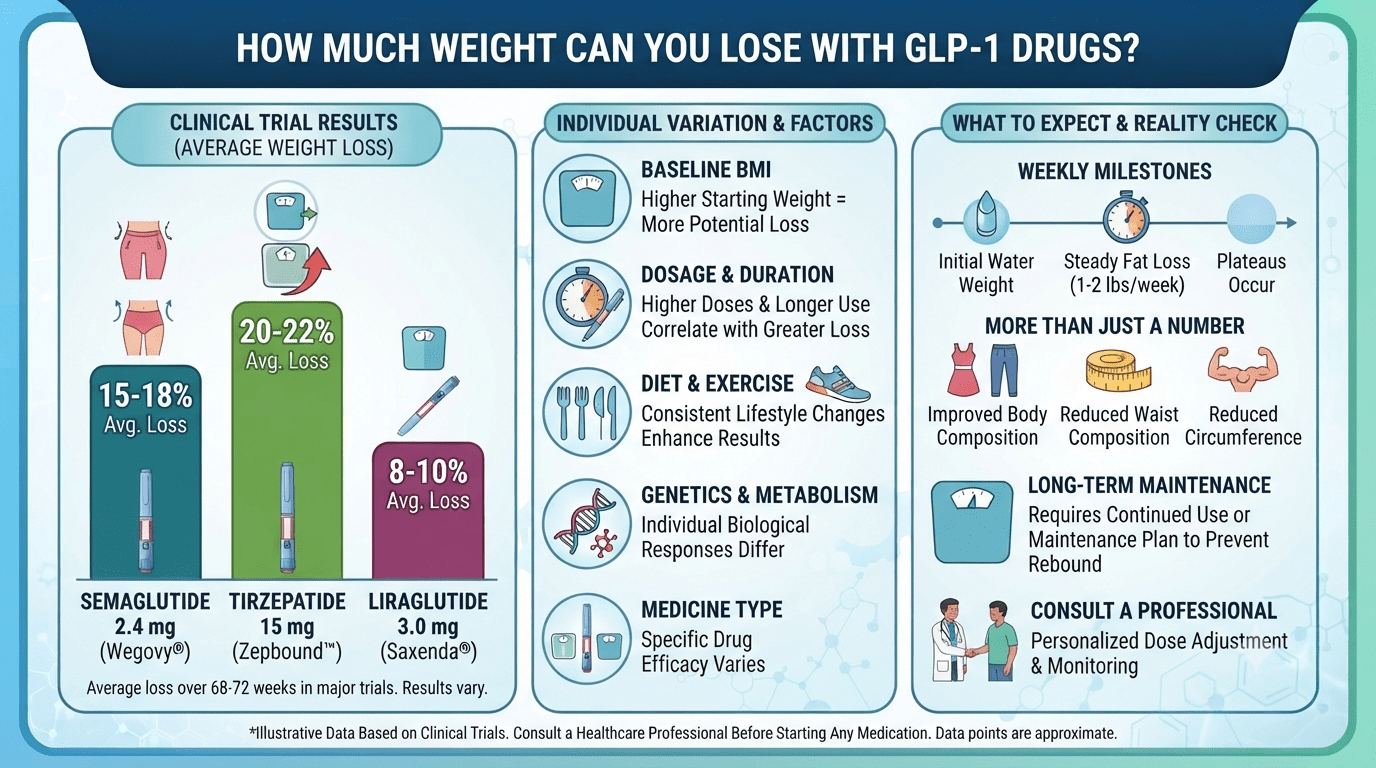
The amount of weight loss varies significantly from person to person.
Your results may depend on:
- The medication used
- The dose
- How long you take it
- Your starting weight
- Your diet
- Your physical activity
- Your metabolism
- Other medical conditions
- Whether you continue treatment long-term
Clinical trials have demonstrated substantial average weight loss with some newer medications, but individual results can be very different.
It is important to remember that average clinical-trial results do not guarantee the same result for every person.
The goal should not simply be to achieve the lowest possible body weight. A more meaningful goal is improving overall health, metabolic function, mobility, quality of life, and long-term health risks.
The Most Common Side Effects
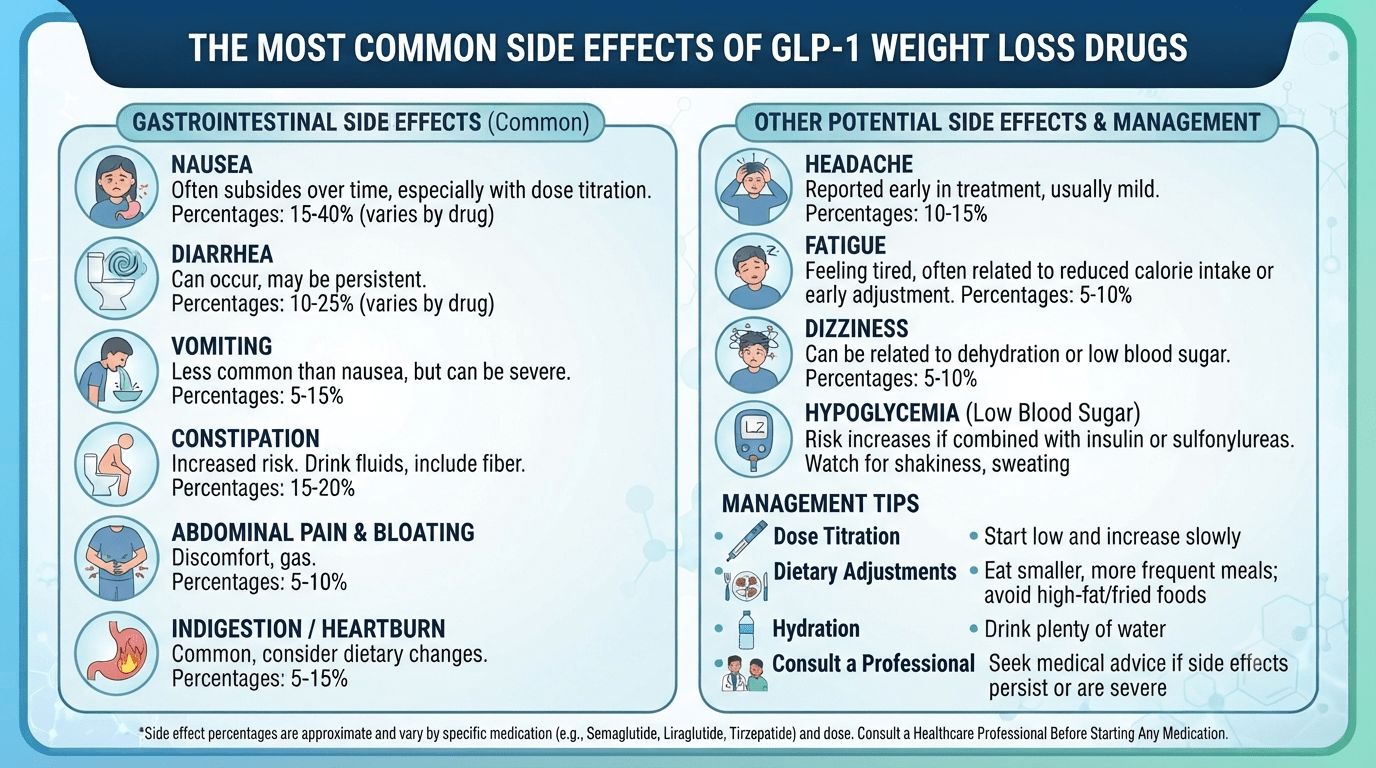
GLP-1 medications are generally associated with gastrointestinal side effects, particularly when treatment begins or the dose is increased.
Common side effects may include:
- Nausea
- Vomiting
- Diarrhoea
- Constipation
- Abdominal discomfort
- Stomach pain
- Bloating
- Indigestion
- Reduced appetite
For many people, these symptoms become less troublesome over time.
However, severe or persistent symptoms should not be ignored.
The FDA has also reported that the higher 7.2 mg dose of Wegovy HD was associated with gastrointestinal side effects and that altered skin sensation, described as sensitivity, pain, or burning, occurred more frequently at the higher dose in clinical data.
Why You Feel Weak in Hot Weather – The Hidden Science Behind It
Are GLP-1 Weight Loss Drugs Dangerous?
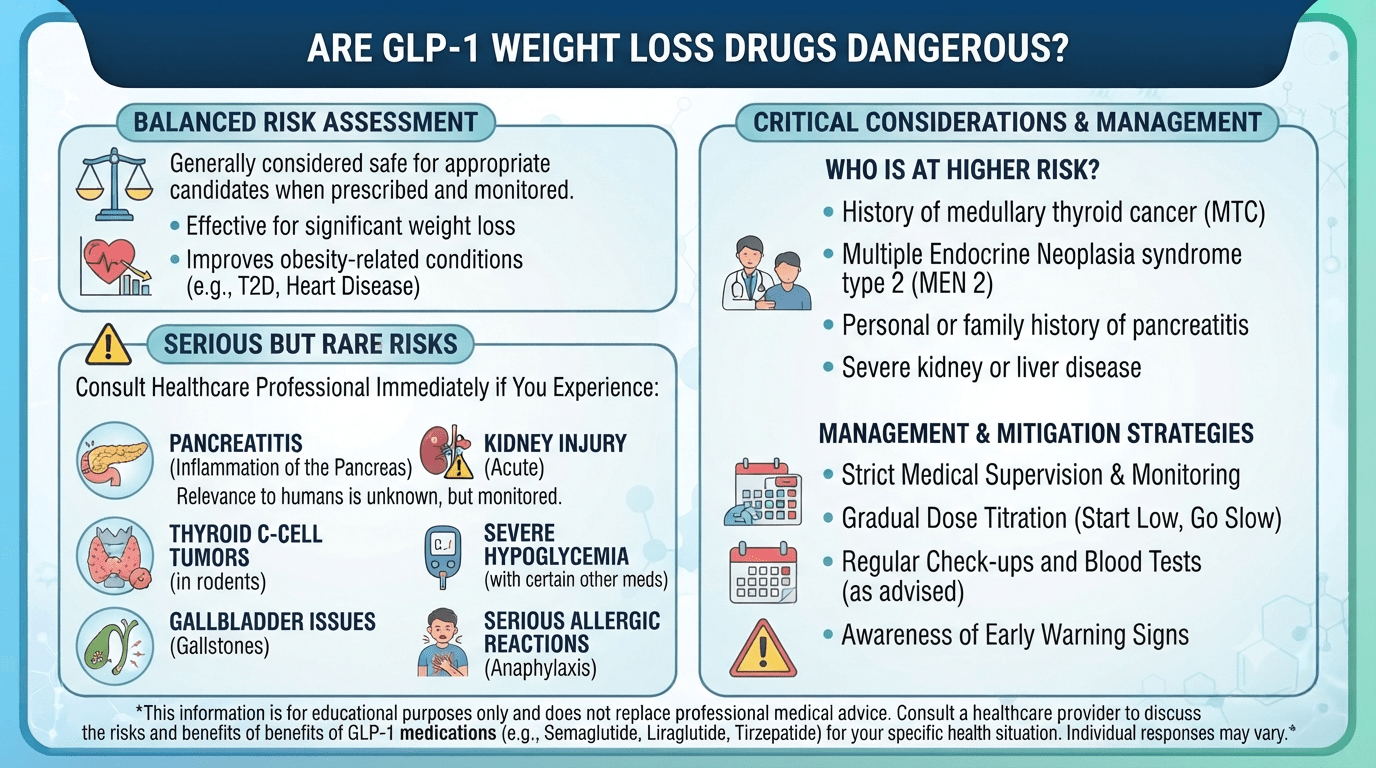
Like all prescription medicines, GLP-1 medications have potential risks.
The appropriate question is not simply whether they are “safe” or “dangerous.” The more important question is:
Are the potential benefits greater than the risks for a particular patient?
That decision should be made with a qualified healthcare professional.
Potential serious concerns may include:
- Pancreatitis
- Gallbladder problems
- Severe gastrointestinal symptoms
- Dehydration
- Kidney problems related to severe vomiting or dehydration
- Hypoglycemia when used with certain diabetes medications
- Allergic reactions
- Delayed gastric emptying
Some medications in this category also carry important warnings related to thyroid C-cell tumours based on animal studies. For example, the FDA states that Wegovy and Zepbound should not be used by people with a personal or family history of medullary thyroid carcinoma or by people with Multiple Endocrine Neoplasia syndrome type 2.
This is why these medicines should be taken only under appropriate medical supervision.
What About the Risk of Suicidal Thoughts?
This has been an important topic of discussion around GLP-1 medications.
In January 2026, the FDA announced that its comprehensive evaluation did not identify an increased risk of suicidal thoughts or behaviour associated with GLP-1 receptor agonist medications. The agency requested removal of related warnings from the labels of certain affected products.
This is an important update, but anyone experiencing significant changes in mood or mental wellbeing while taking any medication should still speak with a healthcare professional.
Can You Take GLP-1 Drugs Forever?
This is one of the biggest questions surrounding modern weight-loss medication.
Obesity is often a chronic condition, and weight regain can occur when effective treatment is stopped.
The 2026 American Diabetes Association Standards of Care notes that obesity pharmacotherapy intended for chronic treatment may need to continue beyond reaching weight-loss goals because stopping treatment can be followed by weight regain and worsening or re-emergence of cardiometabolic risk factors.
This does not mean everyone must take these medications indefinitely.
It means that treatment duration should be determined individually, based on:
- Weight-loss response
- Health improvements
- Side effects
- Personal preferences
- Cost and access
- Other medical conditions
- Long-term weight-management goals
Stopping or changing a prescription medication should always be discussed with a healthcare professional.
What Happens If You Stop Taking a GLP-1 Drug?
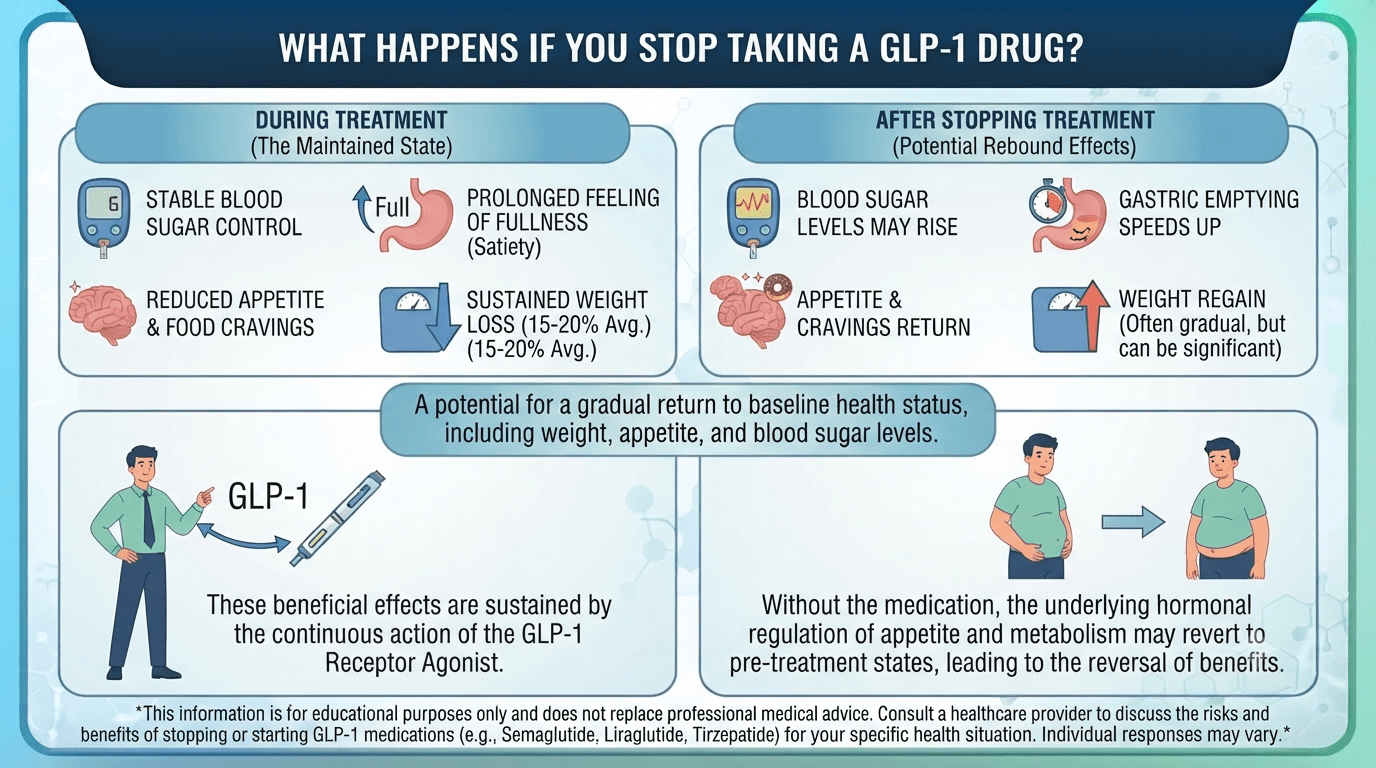
Many people regain some weight after stopping effective weight-loss medication.
This can happen because the biological factors that contributed to weight gain may still be present.
When appetite suppression from medication disappears, hunger and food intake may increase again.
This is one reason experts increasingly view obesity treatment as a long-term health strategy rather than a short-term “diet.”
If medication is stopped, maintaining healthy eating habits, adequate protein intake, regular physical activity, good sleep and ongoing medical support may help—but individual outcomes vary.
GLP-1 Drugs Are Not a Substitute for a Healthy Lifestyle
One of the biggest misconceptions about weight-loss medication is that it eliminates the need for healthy habits.
It does not.
A comprehensive weight-management strategy may include:
A Balanced Diet
Focus on nutrient-dense foods such as:
- Vegetables
- Fruits
- Whole grains
- Beans and legumes
- Lean protein
- Fish
- Eggs
- Nuts and seeds
- Healthy fats
Adequate Protein
When losing weight, maintaining muscle mass is important.
Adequate protein intake, combined with resistance exercise when medically appropriate, can help support muscle health.
Strength Training
Resistance training can help maintain or build muscle.
This is particularly important during significant weight loss because rapid weight reduction can involve loss of lean mass as well as body fat.
Regular Physical Activity
Walking, cycling, swimming and other forms of aerobic activity can support cardiovascular health and overall fitness.
Good Sleep
Poor sleep can affect appetite regulation, energy levels and metabolic health.
Aim for a consistent sleep schedule and adequate sleep quality.
Stress Management
Chronic stress can influence eating behavior and make weight management more difficult.
Mindfulness, relaxation techniques, social connection, and appropriate professional support can be useful.
Who May Be a Candidate for GLP-1 Weight Loss Medication?
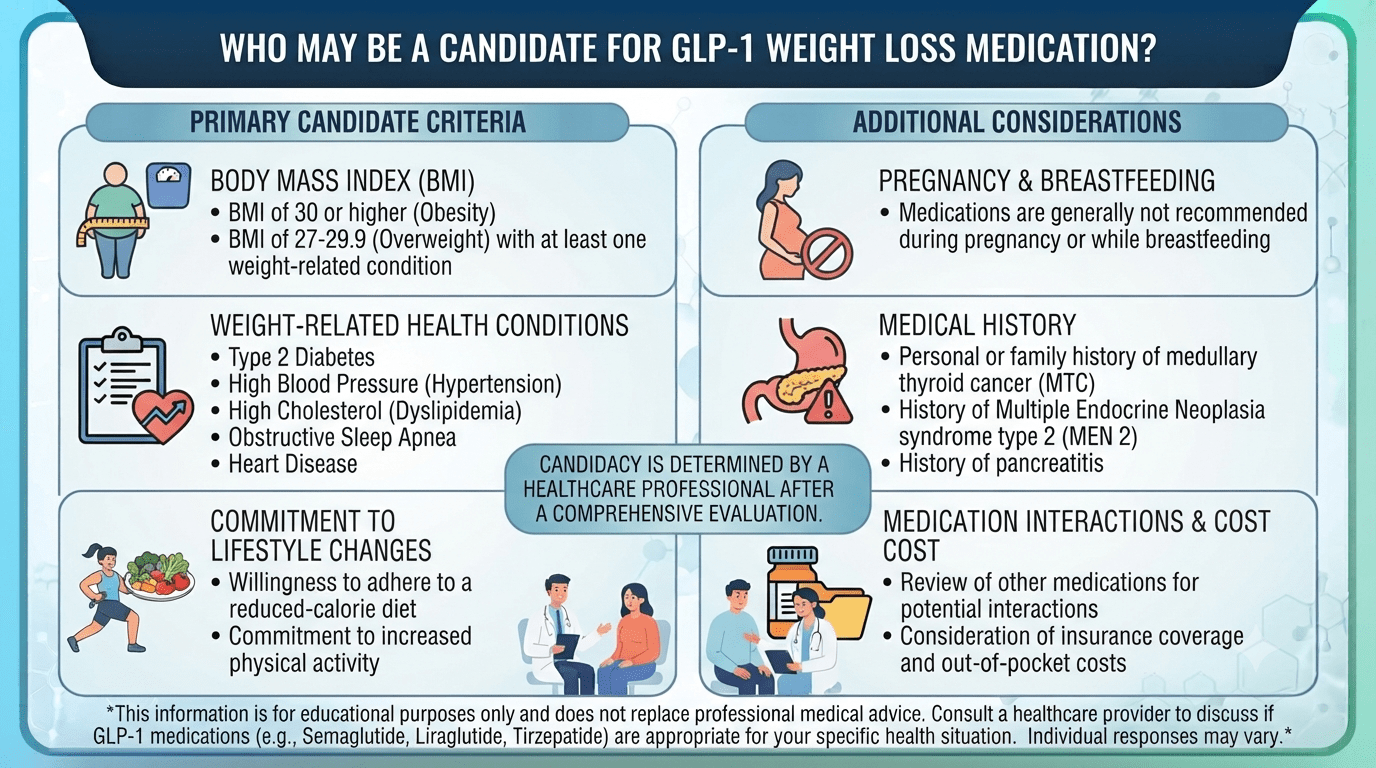
Eligibility depends on the specific medication and the medical guidelines applicable in your country.
In the United States, for example, Zepbound is approved for chronic weight management in adults with obesity or adults who are overweight with at least one weight-related health condition, in combination with a reduced-calorie diet and increased physical activity.
A doctor may consider factors such as:
- Body mass index
- Waist circumference
- Type 2 diabetes
- High blood pressure
- High cholesterol
- Cardiovascular disease
- Sleep apnoea
- Previous weight-management attempts
- Current medications
- Pregnancy or plans for pregnancy
- Personal and family medical history
Eligibility and approved indications differ between countries.
Who Should Be Especially Careful?
GLP-1 medications may not be appropriate for everyone.
People who should discuss their medical history carefully with a healthcare professional include those with:
- A history of pancreatitis
- Severe gastrointestinal disease
- Certain thyroid cancer histories
- Multiple Endocrine Neoplasia syndrome type 2
- Gallbladder disease
- Significant kidney problems
- Certain diabetes medications
- Pregnancy or plans to become pregnant
Do not start a GLP-1 medication based solely on social media recommendations or online advertisements.
The Growing Problem of Unapproved and Counterfeit GLP-1 Products
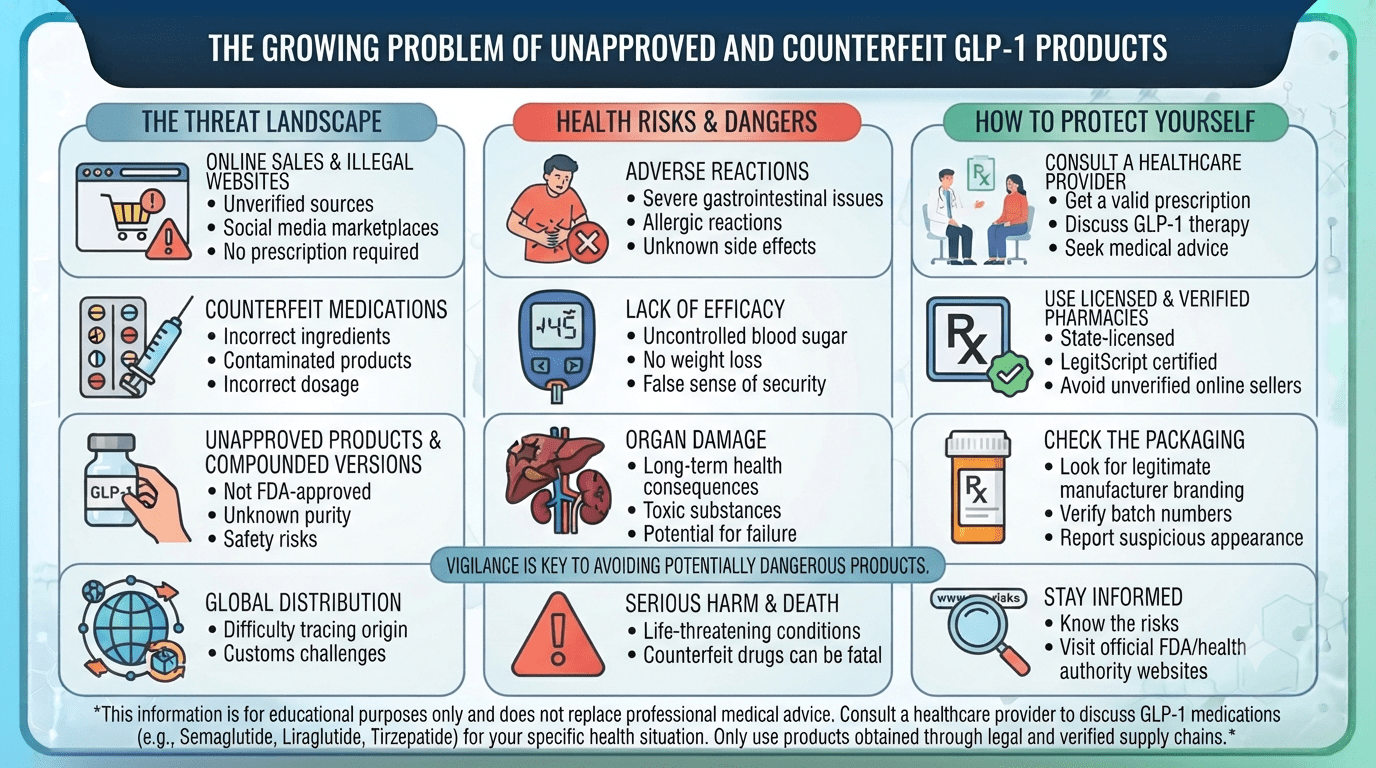
As demand for weight-loss medications has increased, so has the market for unapproved, counterfeit, and improperly compounded products.
This is a major concern.
The FDA warns that unapproved versions of GLP-1 medications may not undergo the same review for safety, effectiveness, and quality as approved medicines. The agency has also reported dosing errors associated with some compounded injectable semaglutide products, including cases in which patients required medical attention or hospitalization.
In 2026, the FDA also proposed excluding semaglutide, tirzepatide, and liraglutide from its 503B bulk drug substances list, stating that it did not identify a clinical need for outsourcing facilities to compound these substances from bulk drug substances under the relevant framework.
The safest approach is to:
- Use medication prescribed by a qualified healthcare professional
- Obtain it through a legitimate, licensed pharmacy
- Avoid buying injectable weight-loss drugs from unknown websites
- Never use products labelled “for research purposes” or “not for human consumption.”
- Never change the dose without medical advice
Heat Wave Alert: 7 Dangerous Signs Your Body Is Overheating in Bangladesh’s Extreme Summer
Can You Buy GLP-1 Drugs Online?
Be extremely cautious.
The internet is full of advertisements promising cheap or “natural” alternatives to prescription weight-loss injections.
Some may be legitimate healthcare services, but others may sell counterfeit or unapproved products.
Before purchasing any prescription medication online, verify that:
- A licensed healthcare professional has evaluated you.
- You have a valid prescription when required.
- The pharmacy is properly licensed.
- The medication has clear labeling and comes from a legitimate supply chain.
The FDA has warned about fraudulent and counterfeit GLP-1 products and recommends obtaining prescription medicines through legitimate, licensed channels.
GLP-1 Drugs vs Natural Weight Loss
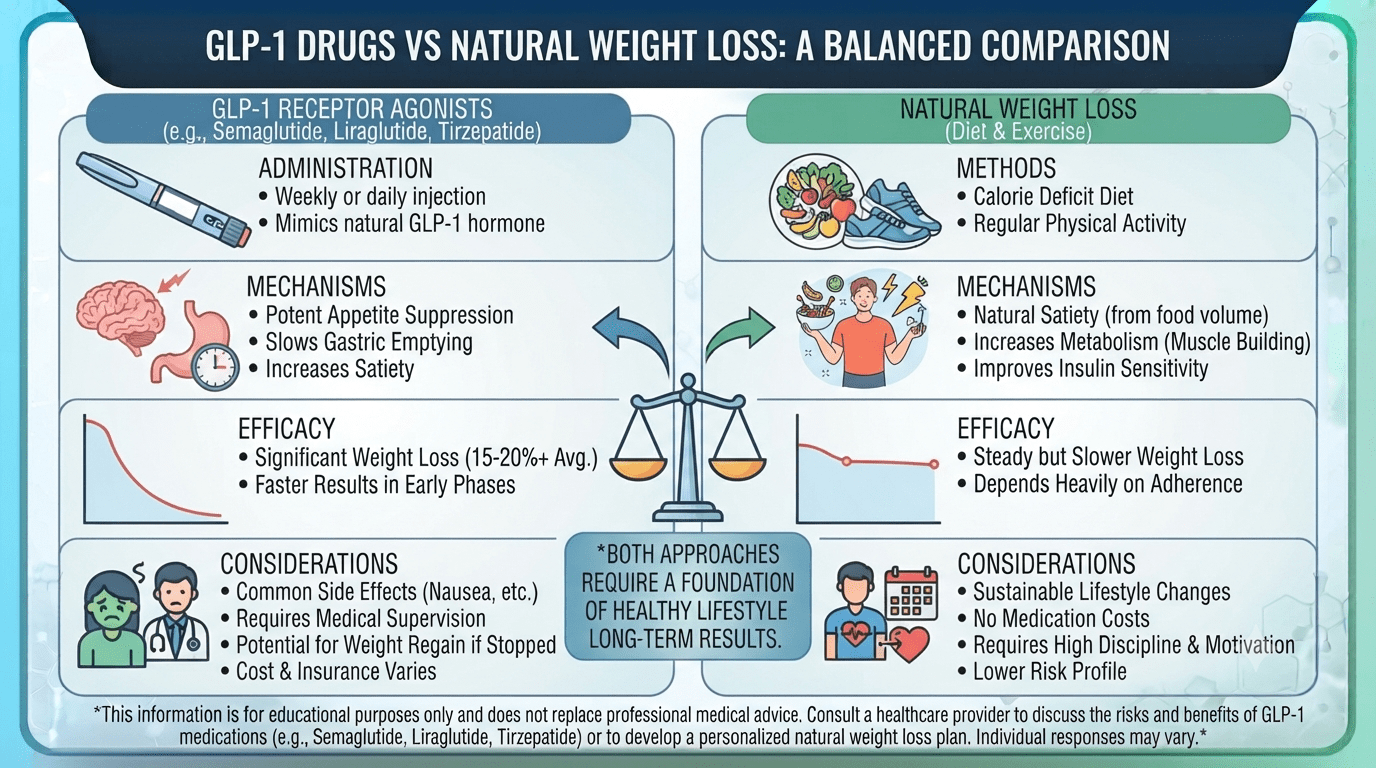
There is no single “best” approach to weight loss.
For some people with obesity, lifestyle changes alone may not produce sufficient or sustainable weight loss.
For others, lifestyle changes may be enough.
The key is to understand that medication and healthy lifestyle habits are not necessarily competing strategies.
For eligible patients, medication may help reduce appetite and make lifestyle changes more achievable.
A healthy lifestyle, meanwhile, can support long-term health regardless of whether medication is used.
Are GLP-1 Drugs Right for You?
There is no universal answer.
The right decision depends on your health, weight, medical history, medications, goals, and risk factors.
If you are considering a GLP-1 medication, speak with a qualified doctor or obesity-medicine specialist.
Ask:
- Am I medically eligible?
- Which medication is appropriate for me?
- What benefits can I realistically expect?
- What side effects should I watch for?
- How long might I need treatment?
- What happens if I stop?
- How will we monitor my health?
- How can I protect my muscle mass during weight loss?
- What diet and exercise plan should I follow?
The Bottom Line
GLP-1 weight loss drugs have changed the landscape of obesity treatment.
Medications such as semaglutide and tirzepatide can provide significant benefits for some eligible patients, particularly when combined with nutrition, physical activity, and ongoing medical care.
But they are not miracle drugs.
They have potential side effects, medical risks, and important contraindications. Unapproved and counterfeit products can create additional dangers.
The most important takeaway is simple:
Do not choose a GLP-1 medication because it is trending on social media. Choose it only after a qualified healthcare professional has assessed whether the potential benefits outweigh the risks for you.
Weight management is about more than a number on the scale. The ultimate goal should be better metabolic health, improved quality of life, preserved muscle, reduced disease risk, and sustainable long-term well-being.
High Blood Sugar Symptoms: 10 Early Signs of Diabetes Risk
Frequently Asked Questions
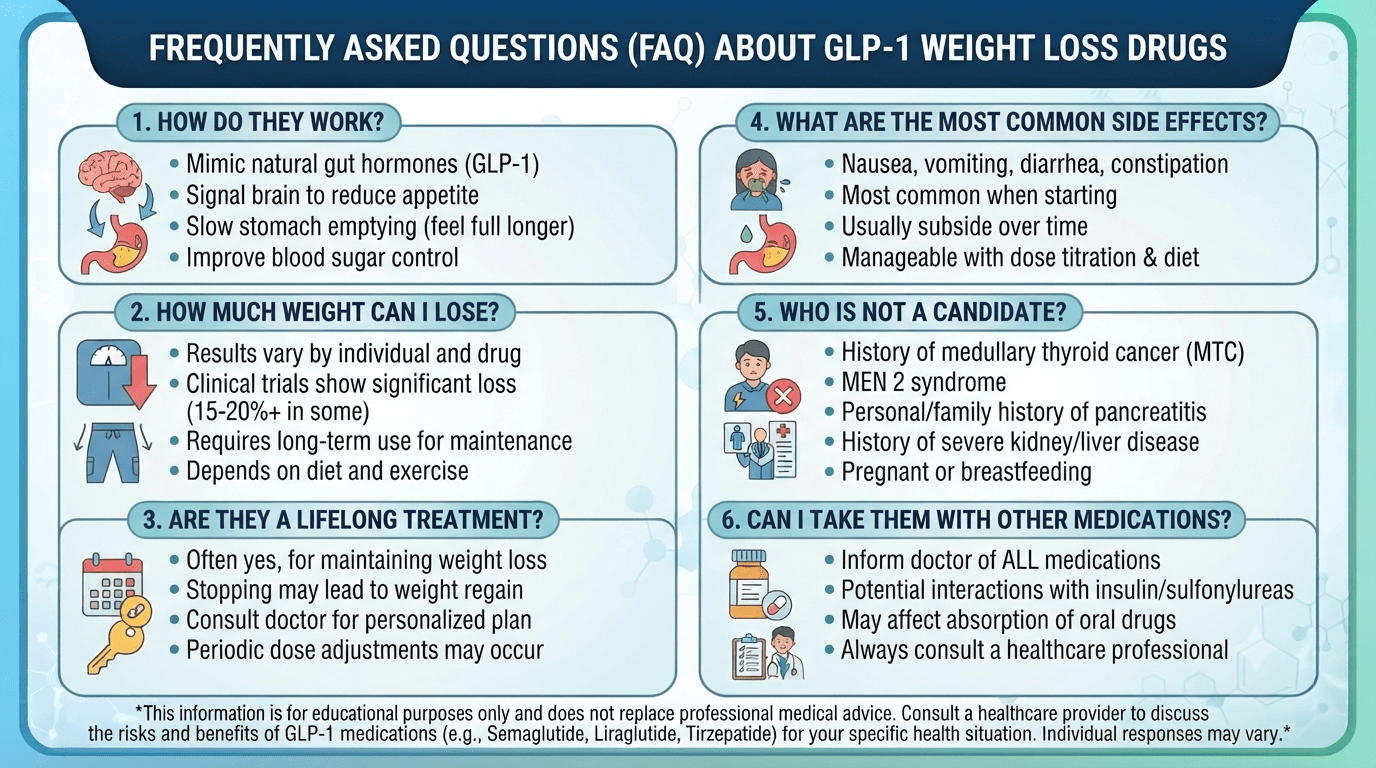
1. What is the best GLP-1 drug for weight loss?
There is no single best medication for everyone. Semaglutide and tirzepatide are both important prescription options, but the appropriate choice depends on your medical history, health goals, eligibility, side-effect profile, and access to treatment.
2. How quickly do GLP-1 drugs cause weight loss?
Weight loss usually occurs gradually rather than immediately. The amount and speed vary between individuals and depend on the medication, dose, treatment duration, diet, and physical activity.
3. Do GLP-1 drugs burn fat?
GLP-1 medications do not simply “burn fat.” They primarily influence appetite, food intake, and metabolic processes, which can lead to a calorie deficit and subsequent weight loss.
4. Will I regain weight after stopping a GLP-1 drug?
Some people regain weight after stopping treatment. This is one reason long-term weight management should be planned with a healthcare professional.
5. Are GLP-1 drugs safe?
GLP-1 medications can be appropriate and effective for eligible patients when prescribed and monitored correctly. However, they can cause side effects and may not be suitable for everyone.
6. Can I take a GLP-1 drug without a prescription?
You should not self-medicate with prescription weight-loss drugs. Use these medications only under appropriate medical supervision and according to the regulations in your country.
7. Can I lose weight naturally without GLP-1 drugs?
Yes. Many people can achieve meaningful weight loss through nutrition, physical activity, sleep, stress management, and behavioral changes. Some people with obesity, however, may need additional medical treatment.
8. Are Ozempic and Wegovy the same?
Both contain semaglutide, but they are approved for different uses and indications. Medication should be used according to its approved purpose and under medical supervision.
9. Are Mounjaro and Zepbound the same?
Both contain tirzepatide, but they have different approved indications. Your healthcare professional can determine which treatment, if any, is appropriate for you.
10. What should I do before starting a GLP-1 drug?
Talk to a qualified healthcare professional. Discuss your medical history, current medications, allergies, previous weight-loss attempts, pregnancy plans, and any relevant conditions before starting treatment.
Silent Killer in Your Daily Life: 7 vitamin D deficiency symptoms
Medical Disclaimer
This article is intended for educational and informational purposes only. It is not a substitute for professional medical advice, diagnosis, or treatment. GLP-1 medications are prescription medicines and may not be appropriate for everyone. Always consult a qualified healthcare professional before starting, stopping, or changing any medication. If you experience severe or concerning symptoms while taking a medication, seek appropriate medical attention.
Instagram Twitter Facebook LinkedIn Quora Google News
Our Other Engagements: