7 vitamin D deficiency symptoms
Introduction
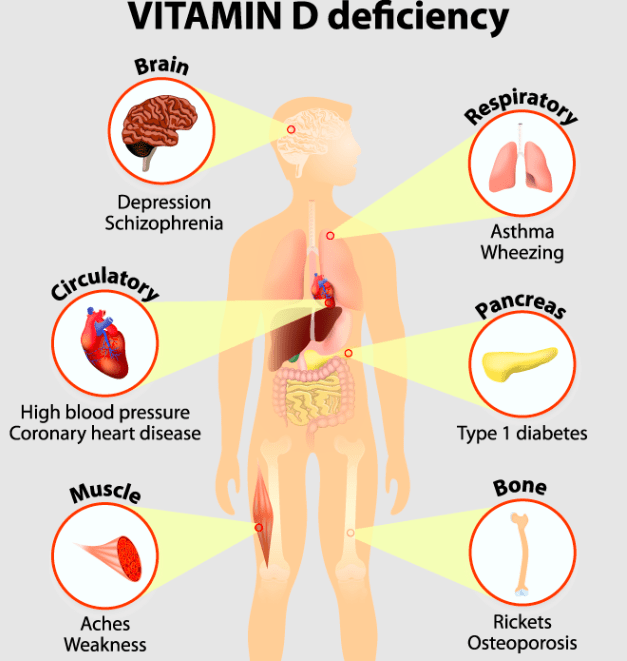
Many people today are unknowingly suffering from vitamin D deficiency symptoms due to modern indoor lifestyles, poor diet, and limited sun exposure. Vitamin D plays a crucial role in maintaining strong bones, supporting the immune system, and regulating mood.
Unfortunately, vitamin D deficiency symptoms often appear slowly and are ignored by many people until health complications develop. Recognizing these early signs can help you take preventive action and protect your overall health.
7 Common Vitamin D Deficiency Symptoms You Should Never Ignore
Understanding the early vitamin D deficiency symptoms can help prevent long-term health problems.
1. Constant Fatigue and Low Energy
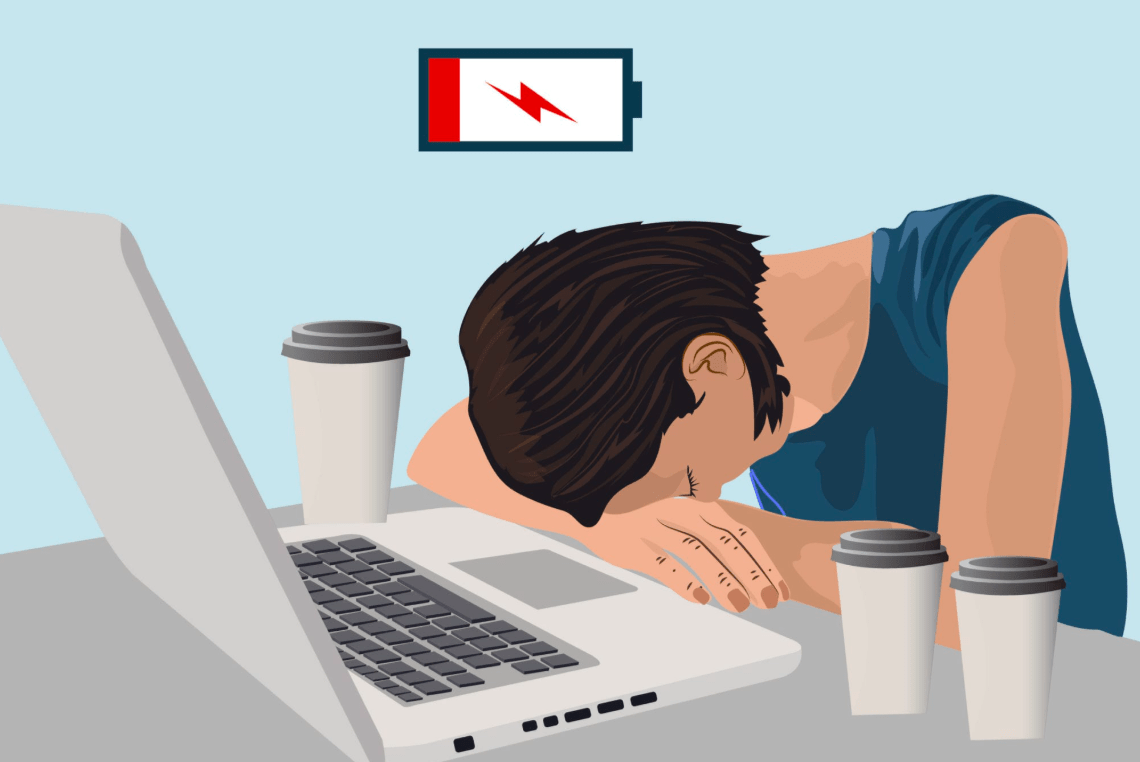
One of the most common vitamin D deficiency symptoms is persistent fatigue. Even after a full night’s sleep, you may feel tired, weak, or lacking motivation.
Low vitamin D levels can affect energy production in the body, making daily tasks feel more exhausting.
2. Frequent Illness and Weak Immunity

Benefits of Honey: 13 Science-Backed Reasons to Use Nature’s Golden Superfood
Another important sign among vitamin D deficiency symptoms is getting sick more often than usual. Vitamin D helps strengthen the immune system, allowing your body to fight infections more effectively.
People with low vitamin D may experience frequent colds, flu, or other infections.
3. Bone Pain and Lower Back Pain

Bone discomfort is also among the common vitamin D deficiency symptoms. Vitamin D helps the body absorb calcium, which is essential for strong bones.
Without enough vitamin D, bones may become weak, leading to:
- bone pain
- lower back pain
- joint discomfort
4. Hair Loss

Hair loss can sometimes be linked to vitamin D deficiency symptoms. Although hair loss can have multiple causes, research shows that low vitamin D levels may contribute to certain types of hair thinning and shedding.
Maintaining adequate vitamin D levels may support healthier hair growth.
5. Depression and Mood Changes

Everything You Should Know Before Getting Dental Implants
Mental health can also be affected by vitamin D deficiency symptoms. Vitamin D plays a role in brain health and the regulation of mood-related hormones.
Low levels have been associated with mood swings, anxiety, and symptoms of depression.
6. Slow Wound Healing

If cuts, bruises, or wounds take a long time to heal, it may be one of the hidden vitamin D deficiency symptoms. Vitamin D supports tissue repair and immune response, which are necessary for proper healing.
Slow recovery from injuries can sometimes indicate low vitamin D levels.
7. Muscle Pain and Weakness
Intermittent Fasting: The Science-Backed Weight Loss Method Doctors Recommend in 2026
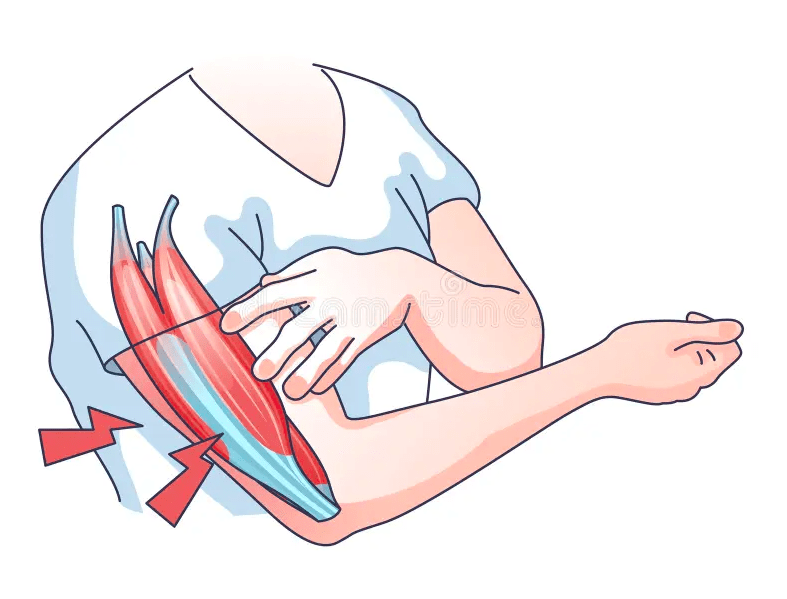
Muscle pain and weakness are also recognized vitamin D deficiency symptoms. Vitamin D supports muscle strength and coordination.
When levels drop too low, individuals may experience muscle aches, weakness, or difficulty performing normal physical activities.
What Causes Vitamin D Deficiency?
Several factors increase the risk of developing vitamin D deficiency symptoms, including:
- Limited sunlight exposure
- Spending long hours indoors
- Air pollution blocking sunlight
- Aging
- Poor dietary habits
- Darker skin pigmentation
These factors make vitamin D deficiency increasingly common in urban lifestyles.
How to Prevent Vitamin D Deficiency
Preventing vitamin D deficiency symptoms is often simple with small lifestyle changes.
Get Sunlight Daily

Expose your skin to sunlight for 15–20 minutes each day, preferably in the morning.
Eat Vitamin D Rich Foods

The Role of Play in Childhood Development | Why It Matters
Include foods such as:
- salmon and tuna
- egg yolks
- fortified dairy products
- mushrooms
Stay Physically Active

Outdoor activities like walking or exercise can help improve vitamin D production.
Consult a Doctor for Supplements

Dengue Disease: Vital Facts About Risks, Symptoms, and Prevention
If levels are very low, healthcare professionals may recommend vitamin D supplements.
Conclusion
Ignoring vitamin D deficiency symptoms can lead to long-term health issues affecting bones, muscles, immunity, and mental health. Recognizing the warning signs early can help you take action and maintain a healthier lifestyle.
Simple habits like getting sunlight, eating nutritious foods, and staying active can significantly reduce the risk of vitamin D deficiency and improve overall well-being.
Instagram Twitter Facebook LinkedIn Quora Google News
Our Other Engagements: